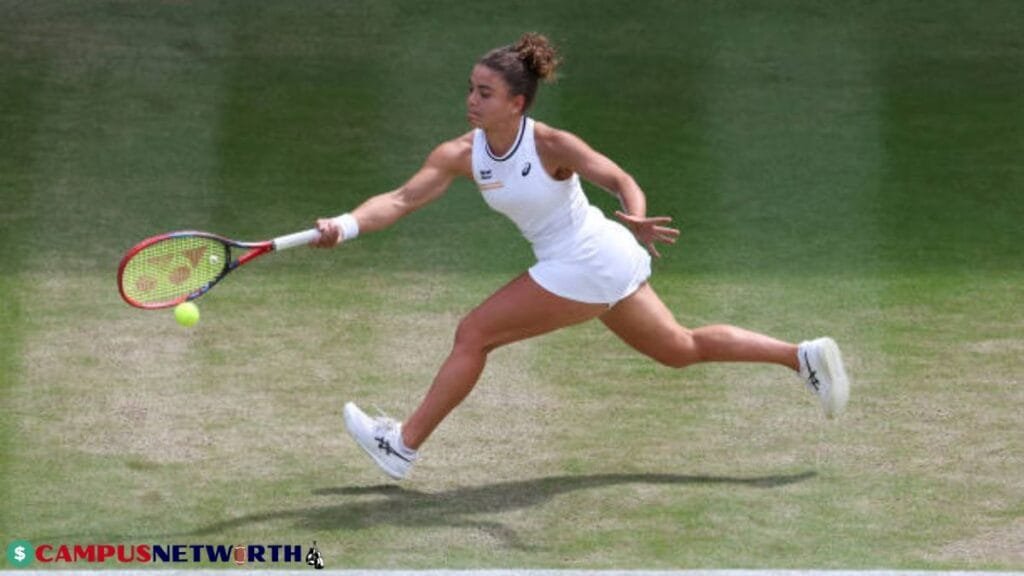
- Essential insights with SportingBulls to elevate your athletic training and performance results
- Optimizing Training Through Data Analysis
- Implementing Wearable Technology for Enhanced Performance
- The Role of Nutrition in Athletic Performance
- Developing a Personalized Nutrition Plan
- Injury Prevention and Rehabilitation Strategies
- Implementing a Comprehensive Rehabilitation Protocol
- Psychological Strategies for Peak Performance
- Beyond the Training Plan: The Importance of Recovery
Table of Contents
ToggleEssential insights with SportingBulls to elevate your athletic training and performance results
The pursuit of athletic excellence is a multifaceted journey, demanding not only physical prowess but also a strategic understanding of training methodologies and recovery techniques. Modern athletes are constantly seeking marginal gains, those small improvements that, when aggregated, can lead to significant performance enhancements. This is where a comprehensive approach to athletic development becomes paramount. Understanding the principles of biomechanics, nutrition, and psychological preparation are all vital components. Many resources are available to athletes, but finding a cohesive and reliable platform for information can be challenging. The landscape of sports science is ever-evolving, with new research continually reshaping our understanding of optimal training.
Fortunately, platforms like SportingBulls offer a curated collection of insights and tools designed to elevate athletic training and performance. These resources can help athletes, coaches, and trainers navigate the complexities of modern sports science, providing them with the knowledge and strategies necessary to achieve their full potential. From personalized training plans to injury prevention protocols, the integration of these elements is essential. A holistic approach, combining cutting-edge research with practical application, is the key to unlocking sustained athletic improvement. This commitment to evidence-based practice sets the stage for more efficient and effective training regimes.
Optimizing Training Through Data Analysis
In today’s data-driven world, the ability to collect and analyze performance metrics is revolutionizing athletic training. Gone are the days of relying solely on subjective feedback from coaches or athletes. Wearable technology, such as heart rate monitors, GPS trackers, and motion sensors, provides a wealth of objective data that can be used to tailor training programs to individual needs. This data allows for a more precise understanding of an athlete’s workload, fatigue levels, and movement patterns. By monitoring these metrics, coaches can identify potential areas for improvement and adjust training accordingly. The use of data analytics is not simply about collecting numbers; it's about interpreting those numbers to gain actionable insights.
However, simply collecting data isn’t enough. It’s crucial to understand how to interpret and apply it effectively. Too much data can be overwhelming, leading to analysis paralysis. The focus should be on identifying key performance indicators (KPIs) that are directly relevant to the athlete's sport and goals. For example, a sprinter might focus on stride length, ground contact time, and power output, while a long-distance runner might prioritize pace, cadence, and heart rate variability. The goal is to use data to inform decisions, not to dictate them. Athletes are individuals, and their response to training will vary. Data provides a valuable starting point, but it’s essential to consider the athlete’s subjective experience and adjust the program accordingly.
Implementing Wearable Technology for Enhanced Performance
The integration of wearable technology into athletic training has become increasingly commonplace. Devices like smartwatches, fitness trackers, and specialized sports sensors provide continuous data on various physiological and biomechanical parameters. These devices can monitor heart rate, sleep patterns, movement velocity, and impact forces. This data can be uploaded to sophisticated software platforms, allowing coaches and athletes to visualize trends and identify patterns. However, it’s important to choose technology that is appropriate for the athlete’s sport and training goals. Not all wearable devices are created equal, and some may provide more accurate or relevant data than others.
The effective use of wearable technology also requires a robust data management system. This system should be able to securely store, organize, and analyze the collected data. Data visualization tools, such as dashboards and charts, can help to present the information in a clear and concise manner. It’s also important to consider data privacy and security. Athletes should be informed about how their data is being collected, used, and protected. With the right technology and a well-defined data management system, athletes and coaches can unlock a wealth of insights that can lead to improved performance.
| Metric | Importance | How to Track | Actionable Insight |
|---|---|---|---|
| Heart Rate Variability (HRV) | High | Wearable Sensor | Indicates readiness to train; adjust intensity based on HRV score. |
| Sleep Duration & Quality | High | Wearable Sensor/Sleep App | Adequate sleep is vital for recovery; prioritize sleep hygiene. |
| Ground Contact Time | Medium | Force Plate/Smart Insoles | Optimize running economy and reduce injury risk. |
| Movement Velocity | Medium | Motion Capture System | Assess power output and identify biomechanical inefficiencies. |
Analyzing these metrics allows for tailored adjustments to training, minimizing the risk of overtraining and maximizing performance gains. Continual assessment is vital for reaching peak athletic ability.
The Role of Nutrition in Athletic Performance
Optimal athletic performance isn’t just about the physical work you put in; it’s intrinsically linked to what you fuel your body with. Nutrition is often the cornerstone of successful training, impacting energy levels, recovery rates, and overall health. A well-balanced diet, tailored to the demands of the sport and the individual athlete, can significantly enhance performance. This means moving beyond simply “eating healthy” and understanding the specific macronutrient and micronutrient needs of an athlete. Protein, carbohydrates, and fats all play critical roles, but the optimal ratio varies depending on the sport and the athlete’s training phase. The timing of nutrient intake is also crucial. Consuming carbohydrates before, during, and after exercise can help to maintain energy levels and replenish glycogen stores.
Furthermore, hydration is often overlooked but is paramount for optimal performance. Dehydration can lead to fatigue, muscle cramps, and decreased cognitive function. Athletes should prioritize drinking fluids throughout the day, especially before, during, and after exercise. Electrolyte balance is also important, as electrolytes are lost through sweat. Consuming electrolytes can help to prevent muscle cramps and maintain fluid balance. Understanding the science of nutrition is not only about optimizing performance, but also about maintaining long-term health and well-being. A nutrient-rich diet can help to reduce the risk of injuries and illnesses, allowing athletes to train consistently and achieve their goals.
Developing a Personalized Nutrition Plan
Creating a personalized nutrition plan requires a thorough assessment of the athlete's individual needs. This includes considering their sport, training volume, body composition, and dietary preferences. A registered dietitian or sports nutritionist can provide expert guidance in developing a plan that meets these needs. The plan should outline specific macronutrient targets, meal timing recommendations, and strategies for optimizing hydration. It’s important to emphasize whole, unprocessed foods whenever possible. These foods provide a wealth of vitamins, minerals, and antioxidants that support overall health and performance. Supplements can be considered, but should only be used under the guidance of a qualified professional.
A successful nutrition plan is not a one-size-fits-all solution. It requires ongoing monitoring and adjustments based on the athlete’s response. Tracking food intake and performance metrics can help to identify areas for improvement. The athlete should also be educated about the principles of nutrition, so they can make informed food choices. Ultimately, a personalized nutrition plan should empower athletes to fuel their bodies for optimal performance and long-term health. It's about making sustainable lifestyle changes rather than following fad diets.
- Prioritize whole, unprocessed foods.
- Hydrate adequately throughout the day.
- Consume enough protein to support muscle recovery.
- Time your nutrient intake strategically around training.
- Consider working with a registered dietitian.
Adhering to these principles will assist in maximizing athletic potential and maintaining overall health. A proactive nutritional approach will significantly impact the results seen from training.
Injury Prevention and Rehabilitation Strategies
Injury is an unfortunate reality of athletic competition. However, many injuries are preventable with a proactive approach that focuses on proper training techniques, conditioning, and recovery. A well-designed injury prevention program should address both intrinsic and extrinsic risk factors. Intrinsic risk factors are those related to the athlete, such as muscle imbalances, flexibility limitations, and biomechanical inefficiencies. Extrinsic risk factors are those related to the environment, such as improper footwear, inadequate playing surface, and weather conditions. Addressing both sets of factors can significantly reduce the risk of injury.
Effective injury prevention also requires a focus on early detection. Athletes should be educated about the warning signs of injury, such as pain, swelling, and limited range of motion. If an athlete experiences any of these symptoms, they should seek medical attention promptly. Early intervention can often prevent a minor injury from becoming a more serious problem. Furthermore, a comprehensive rehabilitation program is essential for athletes who have sustained an injury. Rehabilitation should focus on restoring range of motion, strength, and proprioception (the body’s ability to sense its position in space). A gradual return to activity is crucial, and athletes should not return to competition until they have fully recovered and regained their pre-injury level of function.
Implementing a Comprehensive Rehabilitation Protocol
A well-structured rehabilitation protocol should be tailored to the specific injury and the individual athlete. It typically involves a phased approach, starting with pain and inflammation management, followed by range of motion exercises, strengthening exercises, and functional training. The goal is to restore the athlete’s ability to perform their sport-specific movements without pain or limitation. Proprioceptive training is a critical component of rehabilitation, as it helps to improve balance and coordination. Athletes should also be educated about how to prevent re-injury. This includes addressing any underlying biomechanical issues and modifying training techniques to reduce stress on the injured area.
Collaboration between the athlete, coach, and healthcare professionals is essential for a successful rehabilitation. The athlete should be actively involved in the process and adhere to the prescribed protocol. The coach should provide support and guidance, and the healthcare professional should monitor the athlete’s progress and make adjustments to the program as needed. A comprehensive and individualized rehabilitation protocol can help athletes return to competition safely and effectively. It's about more than just healing the injury; it's about restoring the athlete to their full functional capacity.
- Assess the injury and identify contributing factors.
- Implement pain and inflammation management strategies.
- Restore range of motion and flexibility.
- Strengthen the surrounding muscles.
- Reintroduce sport-specific movements gradually.
Following these steps will increase the likelihood of a full recovery and a return to pre-injury performance levels. Injury rehabilitation is a process that demands patience and dedication.
Psychological Strategies for Peak Performance
The mental aspect of athletics is often underestimated, yet it’s arguably as important as physical preparation. The ability to manage stress, maintain focus, and cultivate a positive mindset can be the difference between success and failure. Athletes face immense pressure to perform, and the ability to cope with this pressure is crucial. Techniques such as mindfulness, visualization, and self-talk can help athletes to manage anxiety and improve their mental resilience. Mindfulness involves paying attention to the present moment without judgment, which can help to reduce overthinking and improve focus. Visualization involves mentally rehearsing successful performance, which can enhance confidence and improve motor skills.
Positive self-talk can help athletes to overcome negative thoughts and beliefs. Instead of focusing on what could go wrong, athletes should focus on their strengths and abilities. Goal setting is also an important psychological strategy. Setting realistic and achievable goals can provide athletes with a sense of purpose and motivation. Furthermore, developing a strong support system is essential. Athletes should surround themselves with people who believe in them and provide encouragement. A coach, teammate, or family member can provide valuable support and guidance. The mental game is often the deciding factor in close competitions, so athletes should invest in developing their psychological skills.
Beyond the Training Plan: The Importance of Recovery
While rigorous training is essential for athletic development, it's the recovery phase that allows the body to adapt and improve. Treating recovery as an integral part of the training process, rather than an afterthought, is crucial for preventing overtraining and maximizing performance gains. Recovery encompasses a variety of strategies, including adequate sleep, proper nutrition, active recovery, and stress management. Sleep is when the body repairs and rebuilds muscle tissue. Athletes should aim for 7-9 hours of quality sleep per night. Proper nutrition provides the building blocks for recovery, replenishing glycogen stores and repairing muscle damage. Active recovery, such as light cardio or stretching, can help to improve blood flow and reduce muscle soreness.
Beyond these physiological aspects, attention to mental recovery is equally important. Chronic stress can impair immune function and hinder recovery. Techniques like meditation, yoga, or simply spending time in nature can help to reduce stress levels and promote mental well-being. Consider the case of elite marathon runners; they don't just focus on logging miles. They prioritize sleep, nutrition, and recovery strategies to allow their bodies to adapt to the demands of intense training. This holistic approach is the hallmark of successful athletes and underscores the value of comprehensive recovery protocols. Ignoring recovery leads to diminished performance, increased injury risk, and eventual burnout.
Related posts:
- Pourquoi opter pour Larabet Casino plutôt qu’un autre site ?
- Valuable resources and NBA Live Odds to enhance your game understanding
- Einzigartige Chancen entdecken mit ivybet casino für jeden ambitionierten Spieler
- Uforglemmelige øyeblikk og store gevinster venter hos https://spinanga-casino-35.pages.dev, et sted for ekte casinospillere